

definition
Last update: 29/05/2026
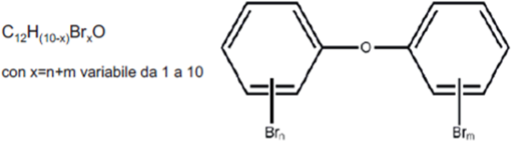
They are persistent organic pollutants (POPs), resistant to degradation and capable of bioaccumulating in fatty tissues of living beings. They have been detected in even remote ecosystems (such as the Arctic) and in the human food chain, including breast milk [10].
Studies have linked their exposure to endocrine disruption (interference with thyroid hormones), neurological damage in children, and possible carcinogenic effects in animal models. Human exposure occurs mainly through ingestion of house dust, contaminated food (fatty fish, meat), and contact with electronic products.
PBDEs are banned in much of the world under the Stockholm Convention (Penta-BDE and Octa-BDE since 2009; Deca-BDE restricted since 2017) [12]. The European Union included them in its list of priority substances (REACH Regulation) and in the RoHS Directive for electronics.
They have now been replaced by halogen-free flame retardants, such as phosphorus compounds, metal hydroxides, or intumescent materials.