

A System-Level Perspective on the Future of Food
Last update: 05/06/2026
Food systems are increasingly recognized in scientific research as a central component of global sustainability challenges. They are estimated to contribute around one-third of global greenhouse gas emissions and are a major driver of biodiversity loss, land use change, and water use. At the same time, they play a critical role in human health, shaping dietary patterns and influencing the prevalence of diet-related diseases.
This dual role positions food systems at the intersection of environmental and public health priorities.
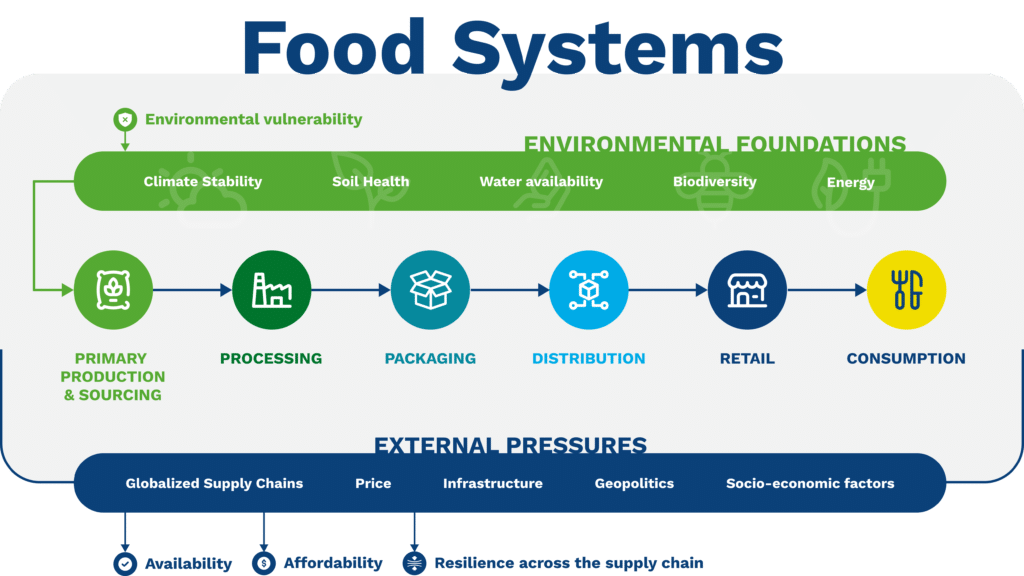
Reducing its environmental footprint while ensuring long-term food security for a growing population: the dual challenge of the Food industry.
This challenge presents a unique opportunity, as even incremental changes in processing or supply chain management can drive significant global transitions. Today, these dynamics are reflected in a rapidly evolving landscape of strict regulations, circularity requirements for packaging, and shifting consumer expectations for sustainable diets.
Sustainability becomes an operational necessity that intersects with quality, food safety, and regulatory compliance.
Successfully navigating this transition requires a system-level approach supported by science-based methodologies and cross-functional collaboration. The following sections explore how these dynamics translate into concrete regulatory updates, emerging climate-related safety risks, and the strategic importance of sustainable diets.
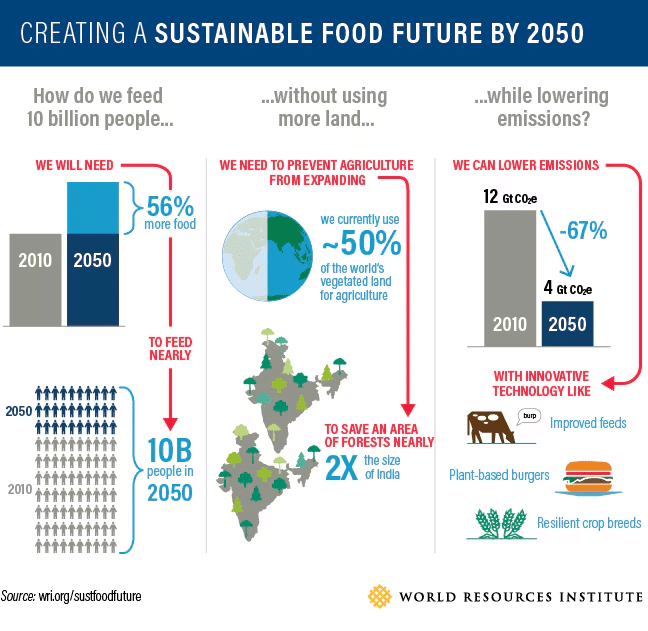
Successfully navigating this transition requires a system-level approach supported by science-based methodologies and cross-functional collaboration. The following sections explore how these dynamics translate into concrete regulatory updates, emerging climate-related safety risks, and the strategic importance of sustainable diets.